Barry R. McKendrick
Owner/President, Safeguard Stairlifts
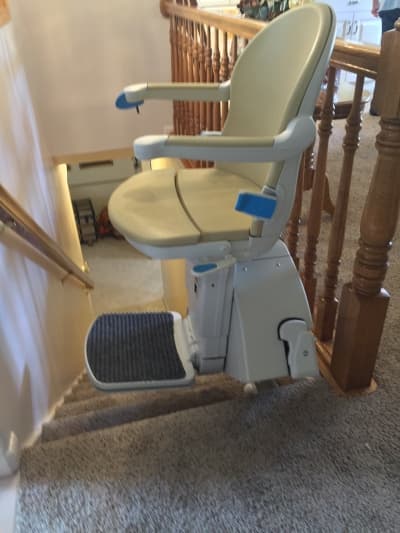
How to Maintain Your Stairlift
Stairlifts need minimal maintenance: simple monthly checks (cleaning the track, testing safety features, checking the battery) plus professional service visits when you need them. The main repair you can expect is a battery replacement every four to five years.
Since 2010, Safeguard has installed and serviced stairlifts in Utah homes, and a little regular attention goes a long way.
The good news: stairlifts are reliable machines that need minimal maintenance. A few simple checks keep them running safely for years.
Monthly DIY Maintenance Checklist
These simple checks take about 10 minutes and can prevent most problems:
Track Cleaning
What to do: Wipe the track with a dry cloth to remove dust and debris.
- Never use water or cleaning products on the track
- Check for stuck debris at the ends
- Look for any visible damage or wear
Why it matters: A clean track ensures smooth, quiet operation and prevents premature wear on the wheels.
Safety Feature Testing
What to check:
| Feature | How to Test |
|---|---|
| Seat belt | Buckle and pull firmly |
| Obstruction sensors | Place object on track and start lift (should stop) |
| Swivel lock | Seat should lock firmly in forward position |
| Key lock | Key should engage and disengage smoothly |
| Armrests | Should fold up and lock in place |
If anything fails: Stop using the lift and call for service.
Battery Indicator
Most stairlifts have a battery level indicator. Indicators vary by model, so check your owner's manual; a typical pattern is:
- Green - Battery fully charged
- Yellow - Battery charging (normal when parked at charging point)
- Red - Battery issue (needs professional attention)
Pro tip: Always park your stairlift at the charging point when not in use. The battery charges automatically.
Visual Inspection
Look for:
- Loose screws or bolts
- Frayed wires or cables
- Cracks in plastic covers
- Unusual wear patterns
- Foreign objects on track or under seat
Listen and Feel
Run the lift up and down once, paying attention to:
- Unusual sounds (grinding, squeaking, clicking)
- Jerky movements
- Vibrations that weren't there before
- Slow or uneven travel
Any change from normal operation warrants a service call.
Professional Service
When you schedule a service visit, a professional check typically covers:
Mechanical Inspection
- Motor and gearbox condition
- Brake function and adjustment
- Wheel and roller wear
- Track alignment and mounting
- Seat mechanisms and hinges
Electrical Testing
- Battery health and charging system
- Control circuits and buttons
- Safety sensors and limits
- Wiring connections
Safety Verification
- All safety features operational
- Emergency stop function
- Obstruction sensors calibrated
- Swivel seat engagement
Lubrication
- Moving parts get appropriate lubricant
- Hinges and pivots
- Track interface points
Adjustment
- Motor speed optimization
- Brake sensitivity
- Seat positioning
How Often to Schedule Service
Follow the service schedule in your owner's manual, and call for service whenever something changes: new sounds, slower travel, or a battery that will not hold a charge. The main repair you can expect is a battery replacement every four to five years.
Troubleshooting Common Issues
Before calling for service, try these fixes for common problems:
Stairlift Won't Start
Check these first:
- Is it at the charging point?
- Is the key turned on?
- Is the seat swiveled and locked forward?
- Are all safety features engaged (seat belt, armrests down)?
- Is the emergency stop button released?
If still not working: Check your circuit breaker. The outlet may have tripped.
Stairlift Stops Mid-Travel
Possible causes:
- Obstruction detected on track
- Safety feature triggered
- Battery depleted (didn't park at charger)
- Track debris
Solution: Check for obstructions, ensure nothing is pressing safety sensors, try running in opposite direction to reach charging point.
Unusual Noises
| Sound | Likely Cause | Action |
|---|---|---|
| Squeaking | Needs lubrication | Schedule service |
| Grinding | Worn wheels or motor | Stop use, call immediately |
| Clicking | Normal relay sounds | Monitor, report if worsening |
| Humming | Motor running | Normal operation |
| Loud clunking | Mechanical issue | Stop use, call immediately |
Slow Operation
Possible causes:
- Low battery
- Motor wear
- Track obstruction
- Cold temperature (temporary)
Note: Utah winters can temporarily slow stairlifts installed in cold areas like garages. This is normal.
Utah-Specific Maintenance Tips
Our Utah climate creates some unique considerations:
Dry Climate
Utah's low humidity means:
- Less rust concern (good!)
- More static electricity buildup
- Dust accumulates faster on tracks
- Plastic components may become brittle over time
Tip: Clean tracks more frequently in dusty seasons.
Temperature Swings
Utah's temperature variation affects:
- Outdoor stairlifts especially (more service needed)
- Basement installations (humidity changes)
- Garage installations (extreme cold slows operation)
Tip: Indoor stairlifts need minimal weather-related attention.
Hard Water
If your stairlift is in an area with water exposure (bathroom, pool area):
- Hard water deposits can affect components
- More frequent cleaning may be needed
- Consider covers when not in use
When to Call a Professional
Some issues require professional attention immediately:
Emergency Situations
- Stairlift won't stop when it should
- Burning smell
- Visible damage to track or chair
- Lift drops suddenly (even slightly)
- Safety features don't engage
Action: Stop using the lift immediately and call for service.
Service-Required Issues
- Battery won't hold charge
- Motor sounds are changing
- Jerky or uneven travel
- Controls unresponsive or inconsistent
- Any visible wear on track or wheels
Action: Schedule service soon, minimize use until inspected.
Extending Stairlift Life
Here's what helps stairlifts last longest:
Do These Things
- Park at the charging point always
- Keep the track clean
- Use gently (no sudden stops)
- Schedule service when something changes
- Report problems early
Avoid These Things
- Using when safety features are damaged
- Overloading (respect weight limits)
- Allowing children to play with controls
- Ignoring unusual sounds
- Putting off service when something seems wrong
Best Practices for Longevity
- Treat it like a car - Regular maintenance prevents expensive repairs
- Don't wait until it fails - Early repair is cheaper than replacement
- Use only qualified technicians - Wrong parts or poor repairs cause bigger problems
- Keep records - Service history helps diagnose issues and supports warranty claims
Safeguard Support
We provide 365-day client support and can schedule service visits to keep your stairlift running smoothly. Our service includes lubricating the track, checking the battery, testing safety features, and inspecting all mechanical components.
Keep Your Independence Safe
A well-maintained stairlift provides years of safe, reliable mobility. Invest a few minutes each month in basic checks, and call for service whenever something changes.
Ready to schedule service or have questions about your stairlift? Contact us, or see our stairlift FAQ for quick answers about batteries, power outages and upkeep. If you are still choosing a lift, start with our stairlift buying guide.