Barry R. McKendrick
Owner/President, Safeguard Stairlifts
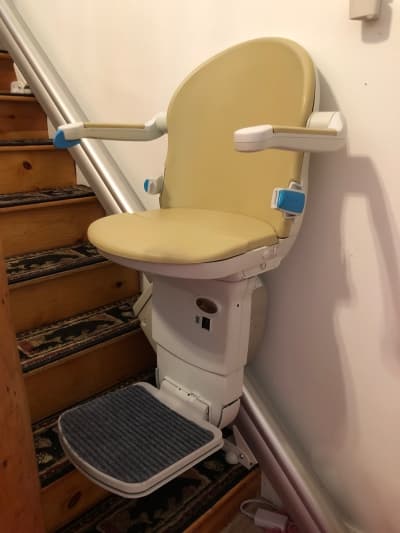
Does Medicare Cover Stairlifts?
Original Medicare (Parts A & B) does not cover stairlifts because they're classified as home modifications, not durable medical equipment. However, options exist: some Medicare Advantage plans, VA benefits, Utah Medicaid waivers, and financing plans can help make stairlifts affordable.
This is one of the most common questions I hear from Utah families. Unfortunately, the straightforward answer is disappointing - but there are alternatives that many people don't know about.
Why Medicare Doesn't Cover Stairlifts
The Classification Problem
Medicare Part B covers Durable Medical Equipment (DME), which includes:
- Wheelchairs and scooters
- Hospital beds
- Walkers and canes
- Oxygen equipment
Stairlifts are classified differently. Medicare considers them home modifications - permanent changes to your home structure. This category also includes:
- Ramps
- Grab bars
- Widened doorways
- Bathroom modifications
The distinction: DME can be used in any location. Home modifications are attached to a specific home.
What the Regulations Say
According to Medicare guidelines, covered DME must be:
- Durable (long-lasting)
- Used for a medical purpose
- Appropriate for home use
- Useful only when you have a specific medical condition
Stairlifts meet criteria 1, 2, and 3, but fail on criterion 4 - they're attached to your home, not portable like other DME.
Medicare Advantage Plans (Part C) - A Possible Exception
While Original Medicare doesn't cover stairlifts, some Medicare Advantage plans offer additional benefits that might include home modifications.
What to Ask Your Plan
If you have Medicare Advantage, contact your plan directly and ask:
- "Do you cover home modifications for mobility?"
- "What's the coverage for stairlifts specifically?"
- "What documentation or prior authorization is required?"
- "Are there network restrictions on installers?"
Important Notes
- Coverage varies widely between plans
- Benefits change annually - check each year
- Prior authorization is typically required
- There may be dollar limits on coverage
- Not all Medicare Advantage plans include these benefits
My experience: In 20 years, I've seen fewer than a dozen stairlifts covered through Medicare Advantage in Utah. It's worth asking, but don't count on it.
VA Benefits for Veterans
If you or your spouse is a veteran, several programs may help:
Home Improvements and Structural Alterations (HISA) Grant
What it covers: Home modifications including stairlifts Maximum amount: $6,800 (service-connected) or $2,000 (non-service-connected) (FY 2026) Who qualifies: Veterans with service-connected disabilities affecting mobility, or veterans with certain non-service-connected conditions
Specially Adapted Housing (SAH) Grant
What it covers: Major home modifications Maximum amount: Up to $126,526 (FY 2026) Who qualifies: Veterans with severe service-connected disabilities
Special Home Adaptation (SHA) Grant
What it covers: Home adaptations for specific disabilities Maximum amount: Up to $25,350 (FY 2026) Who qualifies: Veterans with specific qualifying conditions
Aid and Attendance Benefits
While not covering stairlifts directly, this monthly benefit for veterans needing assistance can help offset costs.
How to Apply
- Contact your local VA medical center
- Speak with a prosthetics representative
- Get documentation of medical necessity
- Submit application through VA healthcare
Pro tip: I work with many Utah veterans. The VA prosthetics office at the Salt Lake City VA can guide you through the process.
Utah Medicaid Options
Utah Medicaid offers programs that may help cover stairlifts for qualifying individuals:
New Choices Waiver (NCW)
Who qualifies: Individuals who would otherwise need nursing facility care What it covers: Home modifications to enable independent living Requirements: Must meet income and functional eligibility
Aging Waiver
Who qualifies: Adults 65+ who need assistance but can live at home What it covers: Various home and community-based services Requirements: Must meet income and functional criteria
How to Apply
- Contact Utah Division of Aging and Adult Services
- Request eligibility screening
- Complete functional assessment
- If approved, work with case manager on home modifications
Reality check: Medicaid waiver programs have waiting lists and strict eligibility requirements. Start the application process early.
Other Funding Sources
Private Insurance
Most private health insurance does not cover stairlifts, but some exceptions exist:
- Long-term care insurance policies
- Disability insurance with home modification benefits
- Some employer-sponsored wellness programs
Non-Profit Organizations
Several organizations help Utah seniors with home modifications:
Rebuilding Together Salt Lake
- Provides free home modifications for qualifying homeowners
- Application-based, limited availability
- Focus on low-income seniors and veterans
Utah Area Agencies on Aging
- Can direct you to local funding sources
- Provides information on assistance programs
- May have emergency funds available
Utah Assistive Technology Foundation
- Low-interest loans for assistive technology
- Includes home modifications
- More flexible than traditional lending
Home Equity Options
For homeowners, your home's equity can fund modifications:
Home Equity Line of Credit (HELOC)
- Flexible borrowing against home equity
- Often lower interest rates
- Interest may be tax-deductible (consult accountant)
Reverse Mortgage
- Available to homeowners 62+
- No monthly payments required
- Proceeds can fund modifications
Payment Plans
At Safeguard, we understand that a stairlift is a significant investment. We offer:
- Interest-free payment plans (qualifying customers)
- Flexible monthly payments
- No prepayment penalties
- Quick approval process
Many families find that spreading the cost over time makes a stairlift affordable without insurance coverage.
Making Stairlifts Affordable
While insurance coverage is limited, here's how Utah families afford stairlifts:
Cost-Saving Strategies
| Strategy | Potential Savings |
|---|---|
| Quality used equipment | 30-50% off new |
| Basic vs premium features | $500-$1,500 |
| Local installer (vs national brand) | 20-40% |
| Off-season installation | 5-10% |
Questions to Ask Installers
- "Do you offer payment plans?"
- "Do you have quality used equipment available?"
- "What's your most affordable option for my stairs?"
- "Are there any current promotions or discounts?"
Comparing Total Costs
When comparing quotes, consider:
- Equipment cost
- Installation cost
- Warranty length and coverage
- Maintenance costs
- Potential repair costs
A slightly higher upfront cost with better warranty often saves money long-term.
The Real Question: Can You Afford Not To?
I often have families tell me they're waiting for insurance to cover a stairlift. I understand the financial concern, but I've also seen the cost of waiting:
The Cost of Falls
According to the CDC:
- Falls cost Utah seniors over $400 million annually in medical costs
- The average fall requiring medical attention costs $35,000+
- Hip fractures often require nursing home care ($9,800+/month nationally in 2026)
The Value of Independence
What's the value of:
- Staying in your home vs. moving?
- Independence vs. relying on others for stairs?
- Safety vs. risk of falling?
- Peace of mind for you and your family?
Many families conclude that a stairlift is not just an expense - it's an investment in safety and independence that pays for itself.
Get a Free Quote
Don't let uncertainty about coverage stop you from exploring your options. At Safeguard, I provide:
- Free, no-obligation in-home assessments
- Honest pricing with no hidden fees
- Information about all available funding options
- Flexible payment plans for those who qualify
Contact me today. I'll help you understand exactly what a stairlift costs for your specific situation and explore every option to make it affordable.
Remember: the best time to install a stairlift is before you desperately need one. Let's talk about your options.